
TP-Link Archer T4U vs TP-Link UE300
Le specifiche dei due prodotti riga per riga. Le righe in cui differiscono sono evidenziate; un valore mancante è sconosciuto, mai uguale.
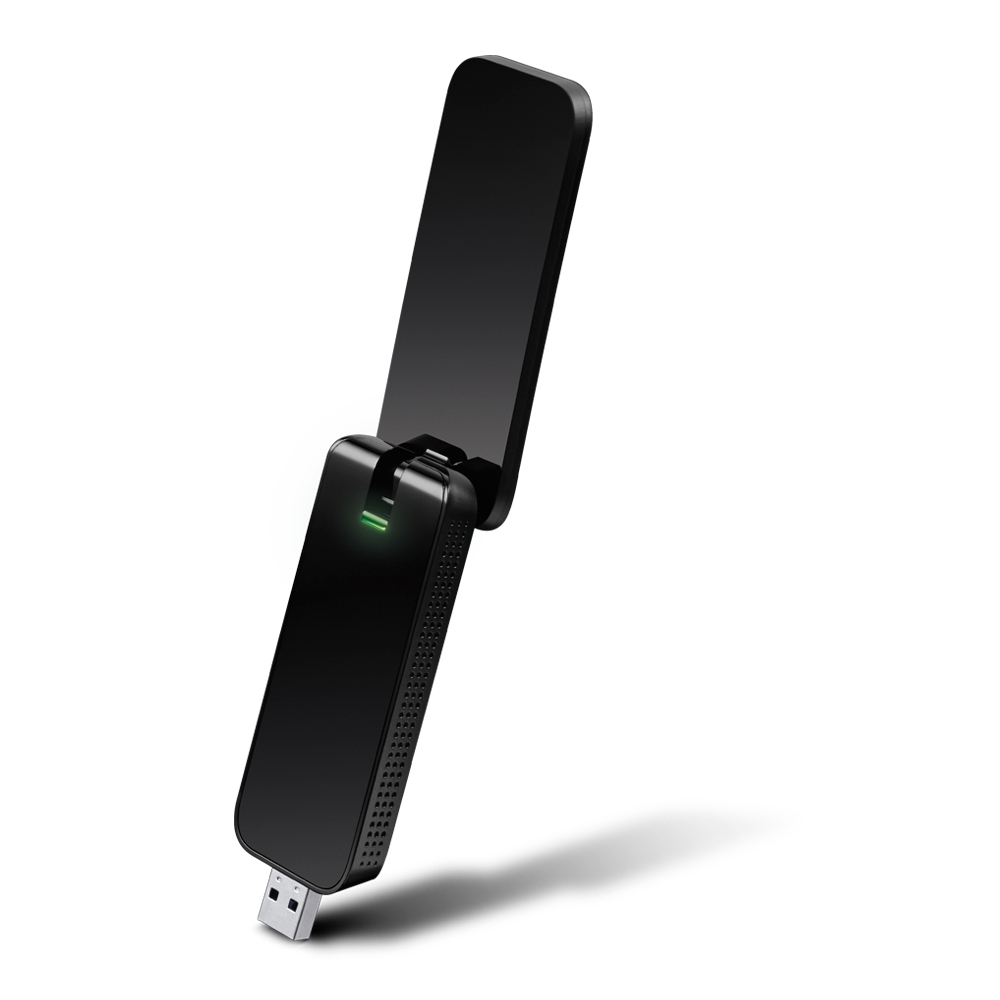
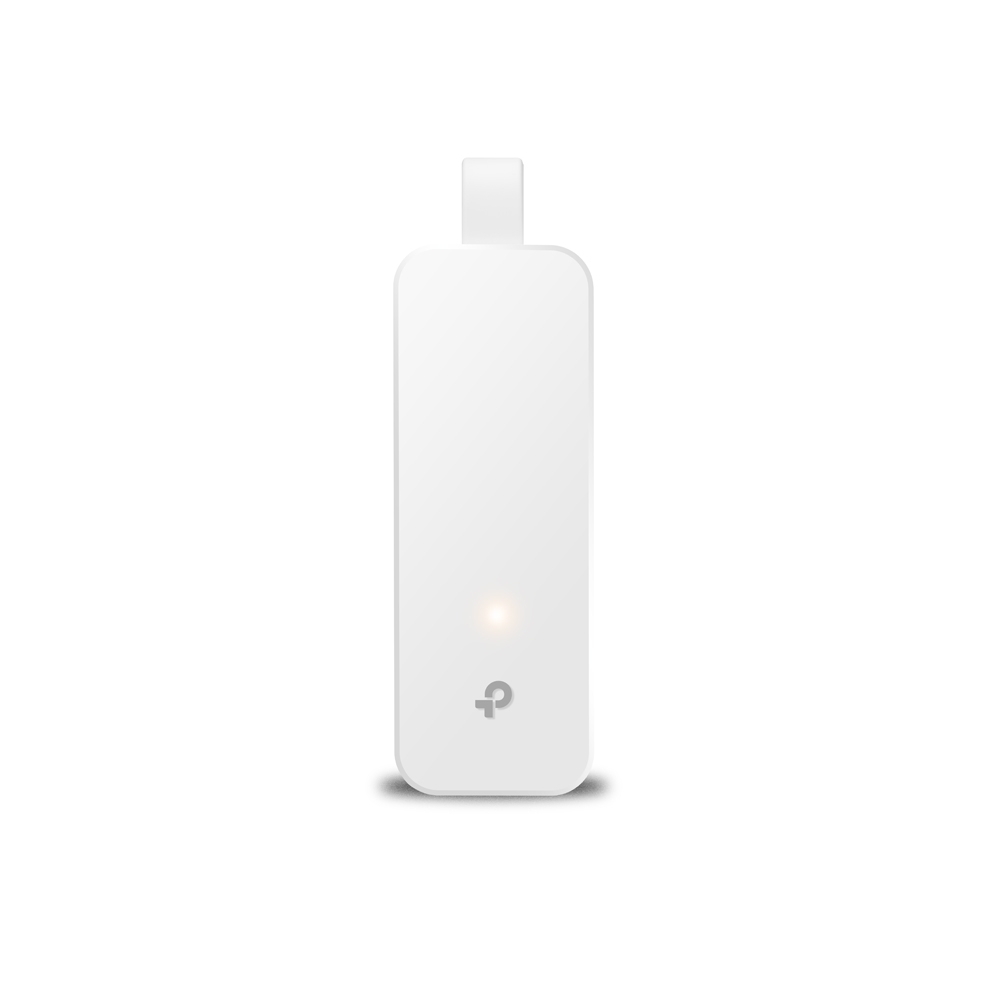
| Specifica | TP-Link Archer T4U | TP-Link UE300 |
|---|---|---|
| Velocità massima di trasferimento datiDifferisce | 867 Mbit/s | 1000 Mbit/s |
| Standard di reteDifferisce | IEEE 802.11ac, IEEE 802.11a, IEEE 802.11n, IEEE 802.11g, IEEE 802.11b | IEEE 802.3, IEEE 802.3ab, IEEE 802.3u |
| Wi-FiDifferisce | Sì | No |
| Tecnologia di connessioneDifferisce | Wireless | Cablato |
| InterfacciaDifferisce | WLAN | Ethernet |
| ProfonditàDifferisce | 31.6 mm | 26 mm |
| AltezzaDifferisce | 13.9 mm | 16.2 mm |
| LarghezzaDifferisce | 92.5 mm | 71 mm |
| Indicatori LEDDifferisce | Power | Sì |
| Sistemi operativi Windows supportatiDifferisce | Windows 10, Windows 10 Education, Windows 10 Education x64, Windows 10 Enterprise, Windows 10 Enterprise x64, Windows 10 Home, Windows 10 Home x64, Windows 10 IOT Core, Windows 10 IoT Enterprise, Windows 10 Pro, Windows 10 Pro x64, Windows 10 x64, Windows 11, Windows 11 Enterprise, Windows 11 Enterprise x64, Windows 11 Home, Windows 11 Pro, Windows 11 x64, Windows 7, Windows 7 Enterprise, Windows 7 Enterprise x64, Windows 7 Home Basic, Windows 7 Home Basic x64, Windows 7 Home Premium, Windows 7 Home Premium x64, Windows 7 Professional, Windows 7 Professional x64, Windows 7 Starter, Windows 7 Starter x64, Windows 7 Ultimate, Windows 7 Ultimate x64, Windows 7 x64, Windows 8, Windows 8 Enterprise, Windows 8 Enterprise x64, Windows 8 Pro, Windows 8 Pro x64, Windows 8 x64, Windows 8.1, Windows 8.1 x64, Windows XP, Windows XP Home, Windows XP Home x64, Windows XP Professional, Windows XP Professional x64 | Windows 10, Windows 10 Education, Windows 10 Education x64, Windows 10 Enterprise, Windows 10 Enterprise x64, Windows 10 Home, Windows 10 Home x64, Windows 10 IOT Core, Windows 10 IoT Enterprise, Windows 10 Pro, Windows 10 Pro x64, Windows 10 x64, Windows 7, Windows 7 Enterprise, Windows 7 Enterprise x64, Windows 7 Home Basic, Windows 7 Home Basic x64, Windows 7 Home Premium, Windows 7 Home Premium x64, Windows 7 Professional, Windows 7 Professional x64, Windows 7 Starter, Windows 7 Starter x64, Windows 7 Ultimate, Windows 7 Ultimate x64, Windows 7 x64, Windows 8, Windows 8 Enterprise, Windows 8 Enterprise x64, Windows 8 Pro, Windows 8 Pro x64, Windows 8 x64, Windows 8.1, Windows 8.1 Enterprise, Windows 8.1 Enterprise x64, Windows 8.1 Pro, Windows 8.1 Pro x64, Windows 8.1 x64, Windows Vista, Windows Vista Business, Windows Vista Business x64, Windows Vista Enterprise, Windows Vista Enterprise x64, Windows Vista Home Basic, Windows Vista Home Basic x64, Windows Vista Home Premium, Windows Vista Home Premium x64, Windows Vista Ultimate, Windows Vista Ultimate x64, Windows Vista x64, Windows XP, Windows XP Home, Windows XP Home x64, Windows XP Professional, Windows XP Professional x64 |
| Sistemi operativi Mac supportatiDifferisce | Mac OS X 10.10 Yosemite, Mac OS X 10.11 El Capitan, Mac OS X 10.12 Sierra, Mac OS X 10.13 High Sierra, Mac OS X 10.14 Mojave, Mac OS X 10.15 Catalina, Mac OS X 10.7 Lion, Mac OS X 10.8 Mountain Lion, Mac OS X 10.9 Mavericks | Mac OS X 10.10 Yosemite, Mac OS X 10.5 Leopard, Mac OS X 10.6 Snow Leopard, Mac OS X 10.7 Lion, Mac OS X 10.7.5 Lion, Mac OS X 10.8 Mountain Lion, Mac OS X 10.9 Mavericks |
| Nota dimensioni (imperiali)Differisce | 3.64×1.24×0.55 in. | 2.8 x 1.0 x 0.6 in. |
| Nome del prodottoDifferisce | Archer T4U AC1300 Wireless Dual Band USB Adapter | UE300 |
| Profondità imballoDifferisce | 148 mm | 85 mm |
| Altezza imballoDifferisce | 42 mm | 16 mm |
| Peso dell'imballoDifferisce | 200 g | 60 g |
| Larghezza imballoDifferisce | 207 mm | 183 mm |
| InternoUguale | No | No |
| Interfaccia hostUguale | USB 3.0 | USB 3.0 |
| Numero di porte USBUguale | 1 | 1 |
| Versione USBUguale | 3.2 Gen 1 (3.1 Gen 1) | 3.2 Gen 1 (3.1 Gen 1) |
| Sistemi operativi Linux supportatiUguale | Sì | Sì |
| Guida di installazione rapidaUguale | Sì | Sì |
| Codice del Sistema Armonizzato (SA)Uguale | 85176990 | 85176990 |
| Tecnologia di cablaggionon noto | non noto | 10/100/1000BaseT(X) |
| Tipo di interfaccia Ethernetnon noto | non noto | Gigabit Ethernet |
| Ethernet LANnon noto | non noto | Sì |
| Velocità trasferimento Ethernet LANnon noto | non noto | 10,100,1000 Mbit/s |
| Intervallo di frequenzanon noto | 2.4 - 5 GHz | non noto |
| Modulazionenon noto | 16-QAM, 64-QAM, 256-QAM, CCK, DBPSK, DQPSK, OFDM | non noto |
| MU-MIMOnon noto | Sì | non noto |
| Standard Wi-Fi principalenon noto | Wi-Fi 5 (802.11ac) | non noto |
| Standard Wi-Finon noto | 802.11a, 802.11b, 802.11g, Wi-Fi 4 (802.11n), Wi-Fi 5 (802.11ac) | non noto |
| Velocità di trasferimento WLAN supportatenon noto | 11,54,300,400,867 Mbit/s | non noto |
| Antennanon noto | Sì | non noto |
| Tipo di direzione dell'antennanon noto | Omni-directional | non noto |
| Chipsetnon noto | non noto | Realtek RTL8153 |
| Modalità operativenon noto | Infrastructure mode | non noto |
| Potenza di trasmissione (CE)non noto | 20 dBm | non noto |
| Potenza di trasmissione (FCC)non noto | 20 dBm | non noto |
| Porte Ethernet LAN (RJ-45)non noto | non noto | 1 |
| Fattore di forma del connettore USBnon noto | non noto | Dritto |
| Umidità relativa operativanon noto | 10 - 90% | non noto |
| Temperatura operativanon noto | 0 - 40 °C | non noto |
| Umidità relativa di stoccaggionon noto | 5 - 90% | non noto |
| Temperatura di stoccaggionon noto | -40 - 70 °C | non noto |
| Plug and Playnon noto | non noto | Sì |
| Componente pernon noto | PC/Laptop | non noto |
| Design dell'antennanon noto | 2 High Gain External Antennas | non noto |
| Pulsante WPSnon noto | Sì | non noto |
| Alimentato tramite USBnon noto | non noto | Sì |
| Algoritmi di sicurezzanon noto | 64-bit WEP, 128-bit WEP, WPA-PSK, WPA2-PSK | non noto |
| Banda Wi-Finon noto | Dual-band (2.4 GHz / 5 GHz) | non noto |
| Certificati di conformitànon noto | CE, Federal Communications Commission (FCC), RoHS | non noto |
| Contenutonon noto | non noto | USB 3.0 to Gigabit Ethernet Network Adapter, Quick Installation Guide |
| Velocità di trasferimento datinon noto | 11ac: Up to 867Mbps(dynamic) | non noto |
| Velocità nominale della portanon noto | non noto | 10/100/1000 Mbps |
| Fornitorenon noto | non noto | TP-Link |
| Standard wirelessnon noto | IEEE 802.11ac, IEEE 802.11a, IEEE 802.11n, IEEE 802.11g, IEEE 802.11b | non noto |
| Conformità alla sostenibilitànon noto | Sì | non noto |
| CD risorsenon noto | Sì | non noto |